Festival Guide: A Typical Day, Hour by Hour
What to expect — the festival's consistent rhythm over the years, so you can plan with confidence.
The Shape of a Festival Day
The Bryce Canyon Astronomy Festival runs over several days in June, and while the National Park Service rebuilds the exact schedule each year — new speakers, new programs, occasionally new formats — the overall rhythm of a festival day has stayed remarkably consistent. This guide walks you through that typical format so you can plan your trip with confidence, then point you to nps.gov/brca for the official current-year schedule once it's published.
Solar viewing with specially filtered telescopes, showing sunspots and prominences. Daytime family activities, astronomy-themed ranger programs, and exhibits. A good time for a short rim hike while it's warm.
As the afternoon winds down, programming shifts to presentations from guest astronomers, scientists, and dark-sky experts. Indoor venues are limited in size, so popular talks can fill. Arrive 20–30 minutes early for anything you really want to see.
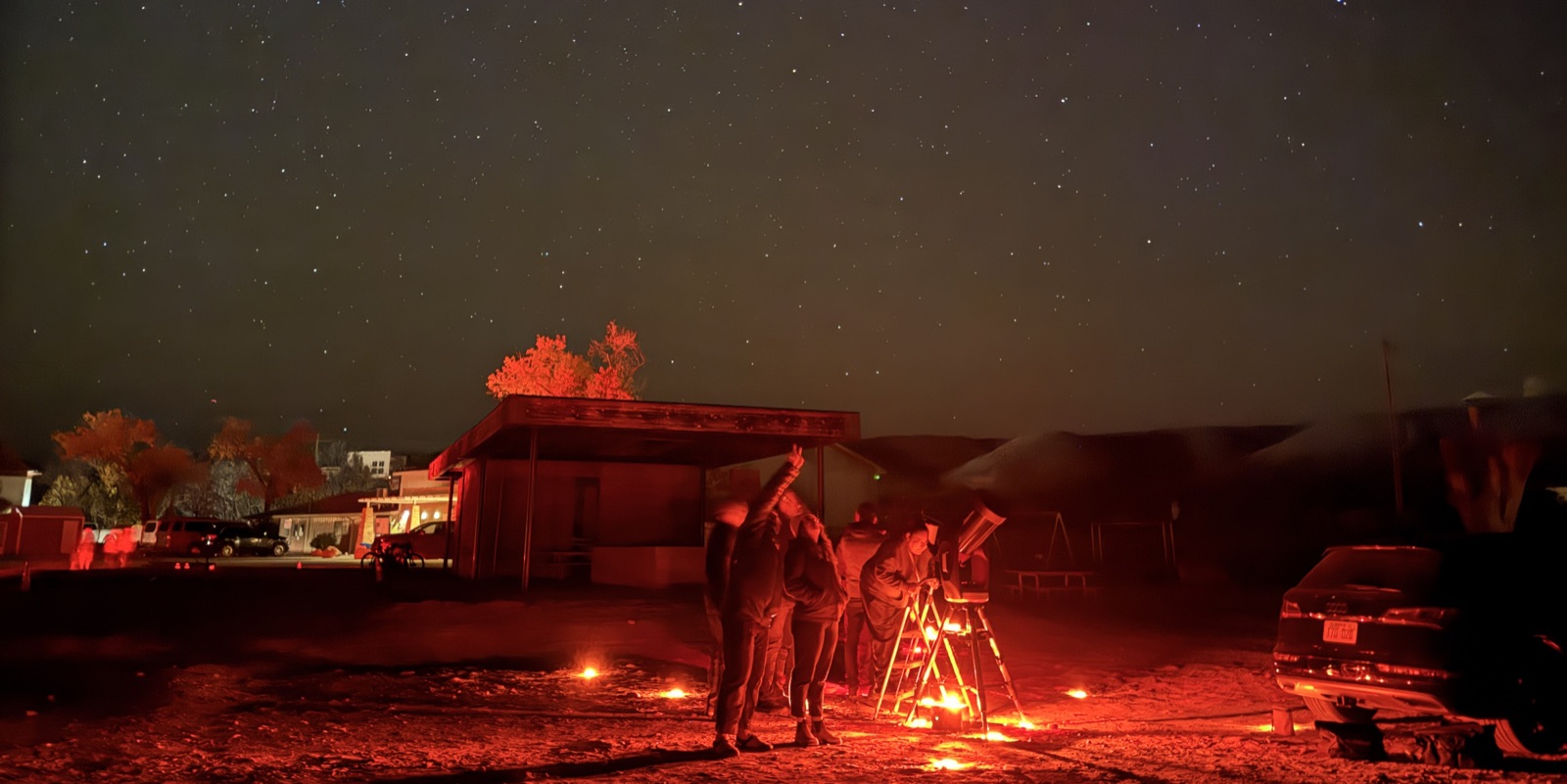
The main event. After dark, volunteer astronomers open dozens of telescopes to the public. You wander the field, line up at whichever instruments interest you, and look at planets, nebulae, star clusters, and galaxies while the owners explain what you're seeing.
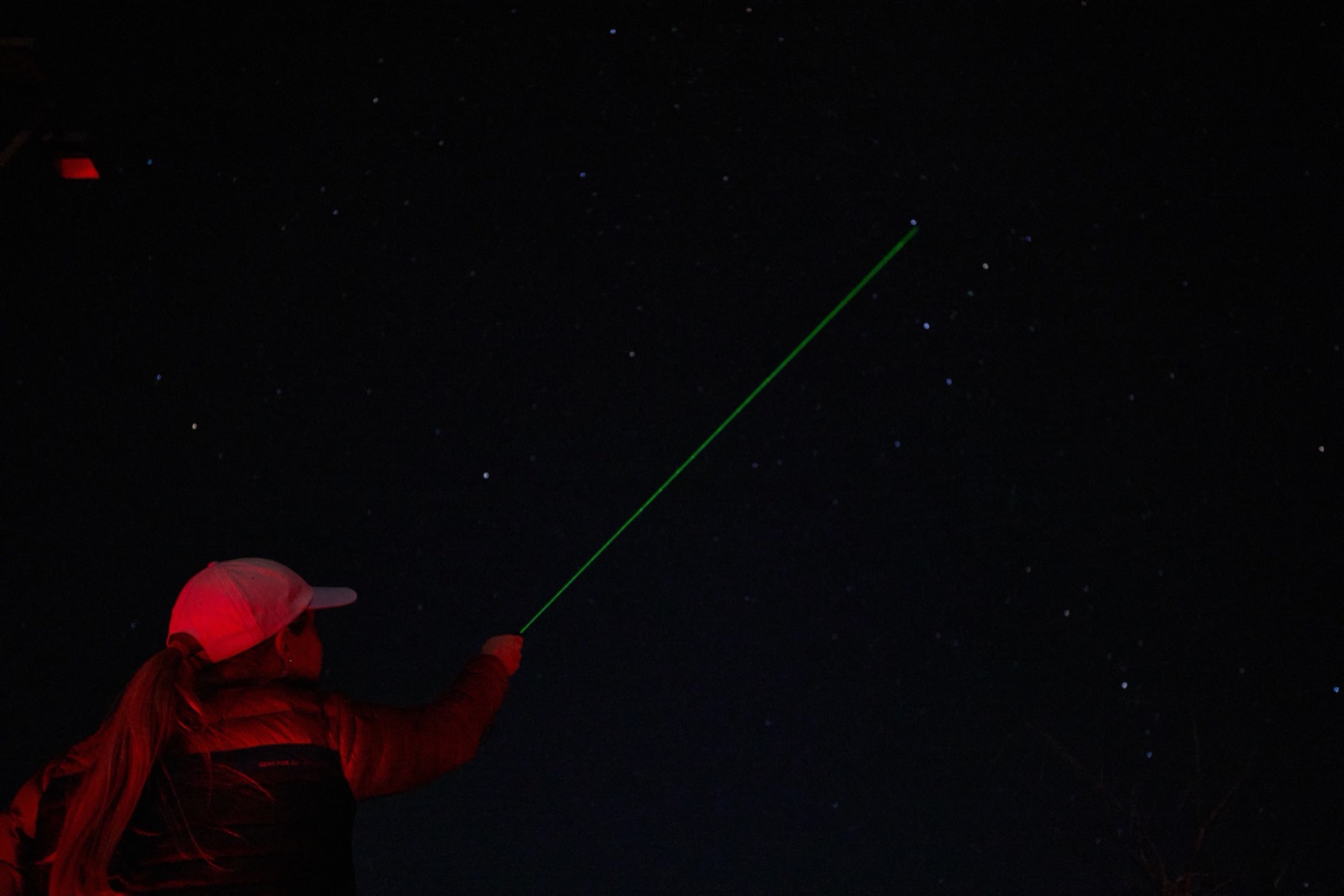
Ranger-led constellation tours use laser pointers to walk groups through the sky. These are short, free, beginner-friendly, and among the first things to fill up. Check posted times the day you arrive.
How Crowded Does It Get?
Honestly: quite crowded, and more so every year. June is already a busy month at Bryce Canyon, and the festival layers a few thousand extra visitors on top of normal summer traffic. Expect the visitor center, lodge area, and main viewpoints to feel full from mid-morning onward, and expect company at the telescope fields after dark.
That said, the crowds are part of the charm at night — there is real festival energy in a dark field full of telescopes and excited first-timers. The crowding mostly bites in three places:
- Parking. Lots near event venues fill in the evening. The park shuttle is your friend — see getting there for details.
- Popular telescopes. The biggest scopes pointed at the night's marquee object can have 20–30 minute lines. Hit them early in the night or late, not at the 10:30 p.m. peak.
- Capped programs. Constellation tours and some special programs limit group size and fill fast.
Arrive Early — For Everything
The single best festival strategy is to be early at every step. Enter the park before mid-morning to beat the entrance line. Arrive at talks 20–30 minutes ahead. Get to the telescope field as darkness falls rather than an hour into the night, when lines peak. And critically, arrive in the region a day early if you can: lodging logistics are far easier to handle when you're not racing the sunset on day one. Our planning guide covers where to stay and why you need to book months out.
Park Entrance Logistics
The festival itself has typically been free with park admission, but you still need to get into the park. Standard entrance fees apply (a private-vehicle pass valid for seven days, or an America the Beautiful annual pass). The entrance station backs up midday during festival week, so come early or late. Returning at night for telescope viewing is generally smooth — show your pass and roll through — but allow extra time on the busiest festival nights.
Cell service in and around the park is spotty. Screenshot the festival schedule, your lodging confirmation, and a park map before you arrive rather than counting on a signal.
What's Free vs. What Fills Up
| Activity | Cost | Fills up? |
|---|---|---|
| Telescope viewing fields | Free with park entrance | No caps, but lines at popular scopes |
| Ranger constellation tours | Free | Yes — capped groups, go early |
| Guest speaker talks | Free | Yes — limited indoor seating |
| Solar viewing and kids' activities | Free | Rarely |
| Lodging near the park | Varies | Months in advance |
| Private guided stargazing tours | Paid | Yes — festival week books out |
That last row matters: if you want a quieter, small-group night under the same new-moon sky, a private tour with Bryce Canyon Stargazing is the way to get it — but festival-week dates go quickly, so book when you book your room. See beyond the festival for what a guided night adds.
Skip the Lines for One Night
Add a private guided stargazing tour to your festival trip — dedicated telescopes, a small group, and an expert guide, no queue required.
Book Your Tour NightKeep Planning
- Planning Your Visit — lodging, camping, and June weather at 8,000 feet
- The Festival with Kids — schedules and survival tactics for families
- Festival FAQ — tickets, telescopes, and more